

Quadcopter Tech Explained: Components, Firmware, & Innovations
In recent years, quadcopters have soared in popularity, revolutionizing various industries from aerial photography to agriculture and beyond. These versatile flying machines are not just toys; they are sophisticated devices equipped with advanced technology that enables them to perform a myriad of tasks. Understanding the components that make up a quadcopter, the firmware that drives its functionality, and the latest innovations in the field is essential for enthusiasts and professionals alike.
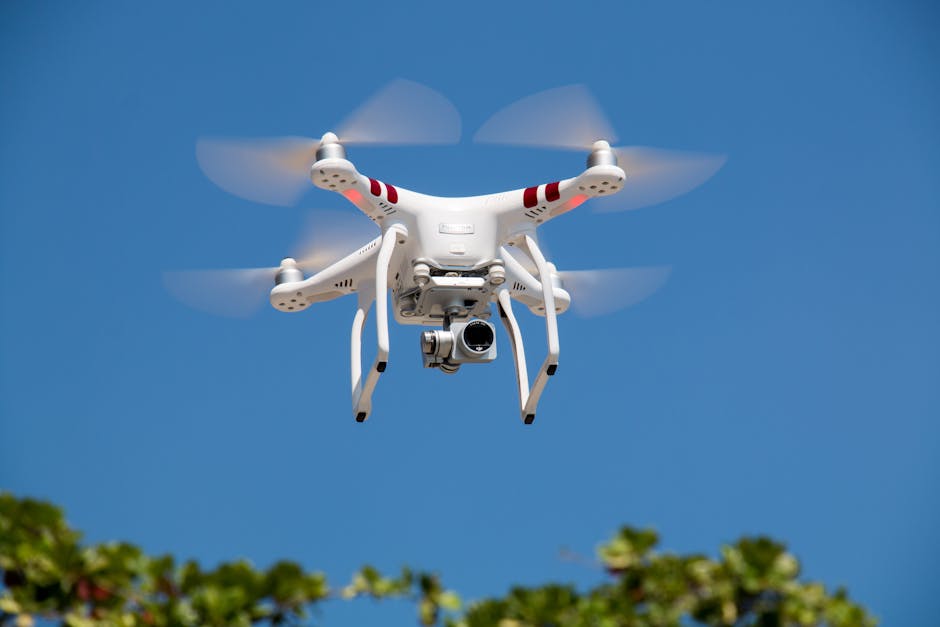
This article delves into the intricate world of quadcopter technology, breaking down the essential components such as motors, flight controllers, and sensors. We will also explore the firmware that governs their operations and the cutting-edge innovations that are shaping the future of drone technology. Whether you are a hobbyist looking to build your own quadcopter or a professional seeking to enhance your aerial capabilities, this comprehensive guide will provide valuable insights into the fascinating realm of quadcopter tech.
Uadcopter Tech Explained: Components, Firmware, & Innovations
Key Components of Uadcopters
Uadcopters are intricate machines composed of several essential components that work together to ensure optimal performance and functionality. Understanding these components is crucial for both enthusiasts and professionals alike.
Frame
The frame serves as the structural backbone of the uadcopter, providing stability and housing all other components. Typically made from lightweight materials such as carbon fiber or plastic, the frame’s design can significantly impact the uadcopter’s agility and durability.
Motors
Uadcopters are equipped with brushless motors that provide the necessary thrust for flight. These motors are known for their efficiency and longevity, allowing for smoother operation and better battery life. The number of motors varies depending on the uadcopter’s design, with quadcopters utilizing four motors for balanced flight.
Electronic Speed Controllers (ESC)
Electronic Speed Controllers manage the power delivered to the motors, allowing for precise control of speed and direction. They play a critical role in stabilizing the uadcopter during flight, adjusting motor speeds in real-time based on input from the flight controller.
Flight Controller
The flight controller is the brain of the uadcopter, processing data from various sensors and making real-time adjustments to maintain stable flight. It integrates inputs from the pilot and sensors such as gyroscopes and accelerometers to ensure smooth operation and responsiveness.
Batteries
Uadcopters typically use lithium polymer (LiPo) batteries due to their high energy density and lightweight properties. The choice of battery affects flight time and performance, making it essential to select the right capacity and discharge rate for specific applications.
Firmware and Software
Firmware is the software embedded in the uadcopter’s flight controller, dictating its behavior and capabilities. Regular updates to firmware can enhance performance, add new features, and improve safety.
Open-Source Firmware
Many uadcopter enthusiasts opt for open-source firmware options such as Betaflight or ArduPilot. These platforms allow users to customize settings and features, enabling advanced flight modes, tuning options, and enhanced performance tailored to individual preferences.
Mobile Applications
Mobile applications have become integral to uadcopter operation, providing users with real-time telemetry, flight planning, and control options. These apps often include features like waypoint navigation, live video streaming, and access to flight logs for analysis.
Innovations in Uadcopter Technology
The uadcopter industry is rapidly evolving, with continuous innovations enhancing capabilities and user experiences.
Autonomous Flight
Advancements in artificial intelligence and machine learning have led to the development of autonomous flight systems. These systems enable uadcopters to navigate complex environments without human intervention, making them ideal for applications such as surveying, search and rescue, and delivery services.
Obstacle Avoidance
Modern uadcopters are increasingly equipped with obstacle avoidance technology, utilizing sensors and cameras to detect and navigate around obstacles in real-time. This innovation enhances safety and allows for more complex flight paths in crowded or dynamic environments.
Enhanced Battery Technology
Research into new battery technologies, such as solid-state batteries, promises to significantly increase flight times and reduce charging times. These advancements could revolutionize the uadcopter industry by enabling longer missions and more efficient energy use.
Introduction to Quadcopter Technology
Overview of Quadcopters and Their Growing Popularity
Quadcopters, commonly known as drones, are unmanned aerial vehicles (UAVs) that utilize four rotors for lift and maneuverability. Their unique design allows for enhanced stability and control, making them suitable for a wide range of applications. Over the past decade, quadcopters have surged in popularity, driven by advancements in technology, decreasing costs, and the increasing accessibility of drone-related components. From hobbyists capturing stunning aerial photography to professionals conducting surveys, the versatility of quadcopters has captured the imagination of many.
Importance of Understanding Components, Firmware, and Innovations
To fully appreciate the capabilities of quadcopters, it is essential to understand their core components, including motors, propellers, flight controllers, and batteries. Each element plays a crucial role in the overall performance and functionality of the drone. Additionally, firmware—the software that controls the hardware—has seen significant advancements, enabling features such as GPS navigation, obstacle avoidance, and automated flight modes. Staying informed about the latest innovations in quadcopter technology is vital for enthusiasts and professionals alike, as it allows them to maximize the potential of their drones and stay competitive in a rapidly evolving market.
Brief Mention of Applications: Recreational, Commercial, and Industrial Uses
Quadcopters have found applications across various sectors, showcasing their versatility and utility. In the recreational domain, hobbyists enjoy flying drones for fun, photography, and racing. Commercially, businesses leverage quadcopters for tasks such as aerial photography, real estate marketing, and agricultural monitoring. In industrial settings, drones are increasingly used for inspections, surveying, and logistics, providing efficient solutions that save time and resources. As technology continues to advance, the range of applications for quadcopters is expected to expand even further, solidifying their role in modern society.
Key Components of a Quadcopter
Frame
The frame of a quadcopter serves as its structural backbone, providing support for all other components. When selecting a frame, material options typically include plastic, carbon fiber, and aluminum. Each material has its own set of advantages and disadvantages:
- Plastic: Lightweight and cost-effective, but can be less durable.
- Carbon Fiber: Offers excellent strength-to-weight ratio, making it a popular choice for high-performance models.
- Aluminum: Durable and provides good rigidity, but can add extra weight.
Choosing the right material is crucial, as it directly impacts the quadcopter’s weight and durability, influencing overall flight performance.
Motors
Motors are essential for propelling the quadcopter and come in two main types: brushed and brushless. Understanding the differences between these motor types can help in selecting the right one for your needs:
- Brushed Motors: Generally cheaper and easier to replace, but less efficient and have a shorter lifespan.
- Brushless Motors: More efficient, longer-lasting, and provide better performance, especially for racing and aerial photography.
Motor specifications, such as KV rating (RPM per volt) and thrust output, significantly affect performance, including speed, lift capacity, and battery consumption.
Electronic Speed Controllers (ESC)
The Electronic Speed Controller (ESC) plays a critical role in managing the speed of the motors. It receives signals from the flight controller and adjusts the power sent to each motor, allowing for precise control during flight.
ESC vs Motor Guide
When choosing the right ESC for your motors, consider the following:
- Compatibility: Ensure the ESC is compatible with the motor type (brushed or brushless) and specifications.
- Performance Considerations: Look for ESCs that can handle the maximum current draw of your motors and have features like programmable settings for optimal performance.
Flight Controller
The flight controller is the brain of the quadcopter, responsible for stabilizing flight and executing commands from the pilot. It processes data from various sensors and adjusts motor speeds to maintain balance and control.
Popular flight controllers on the market include:
- Pixhawk: Known for its versatility and advanced features.
- Betaflight: Popular among racing enthusiasts for its performance tuning capabilities.
- KISS: Valued for its simplicity and reliability in racing drones.
Battery
The battery is a vital component that powers the quadcopter. The two most common types of batteries used are LiPo (Lithium Polymer) and Li-ion (Lithium-ion). Each type has its own characteristics:
- LiPo: Offers high discharge rates and is lightweight, making it ideal for high-performance applications.
- Li-ion: Typically has a higher energy density and longer lifespan, but lower discharge rates compared to LiPo.
When selecting a battery, consider its capacity (measured in mAh) and discharge rates (C rating), as these factors will influence flight time and overall performance.
Understanding Flight Controllers
What is a Flight Controller?
A flight controller is an essential component of any drone or unmanned aerial vehicle (UAV), serving as the brain that interprets data from various sensors and executes commands to maintain stable flight. Its primary functions include stabilizing the aircraft, controlling its orientation, and managing the inputs from the pilot or autonomous navigation systems. By processing data from accelerometers, gyroscopes, and barometers, the flight controller ensures that the drone responds accurately to user commands and environmental conditions.
Flight Controller Comparison
Key Features to Look for in a Flight Controller
- Sensor Integration: Look for controllers with integrated sensors like gyroscopes, accelerometers, and magnetometers for enhanced stability.
- Flight Modes: Different flight modes (e.g., manual, altitude hold, GPS hold) allow for versatility in flying styles and skill levels.
- Compatibility: Ensure the flight controller is compatible with your drone’s hardware and software, including motors and ESCs (Electronic Speed Controllers).
- Firmware Support: A flight controller that supports regular firmware updates can improve performance and add new features over time.
- Size and Weight: Consider the size and weight of the flight controller, especially for smaller drones where space is limited.
Popular Models and Their Specifications
| Model | Key Specifications | Price Range |
|---|---|---|
| Pixhawk 4 | 32-bit processor, supports multiple flight modes, GPS integration | $150 – $200 |
| Betaflight F4 | F4 processor, built-in OSD, supports Betaflight firmware | $50 – $100 |
| FlightOne Revolt | F7 processor, ultra-low latency, customizable settings | $100 – $150 |
| Holybro Kakute F7 | F7 processor, integrated OSD, supports both Betaflight and iNav | $50 – $100 |
Setup and Configuration
Basic Setup Process for Beginners
Setting up a flight controller can seem daunting for beginners, but following a structured process can simplify it:
- Connect the Flight Controller: Securely mount the flight controller in your drone and connect it to the power supply and ESCs.
- Install Software: Download and install the appropriate configuration software (e.g., Betaflight Configurator) on your computer.
- Connect to the Software: Use a USB cable to connect the flight controller to your computer and launch the configuration software.
- Calibrate Sensors: Follow the software prompts to calibrate the accelerometer, gyroscope, and other sensors.
- Configure Flight Modes: Set up different flight modes according to your preferences and skill level.
- Test and Adjust: Conduct a test flight and make any necessary adjustments to PID settings for optimal performance.
Importance of Firmware Updates for Optimal Performance
Regular firmware updates are crucial for maintaining the performance and reliability of a flight controller. Manufacturers often release updates that fix bugs, enhance stability, and introduce new features. Keeping the firmware up to date ensures that the flight controller operates efficiently and can take advantage of the latest advancements in drone technology. Additionally, updated firmware can improve safety features, making your flying experience more secure.
What are ESCs?
Electronic Speed Controllers (ESCs) are critical components in quadcopter operation, serving as the interface between the flight controller and the brushless motors. Their primary role is to regulate the speed of the motors based on commands received from the flight controller, allowing for precise control of the quadcopter’s movement and stability. ESCs convert the low-voltage signals from the flight controller into high-current signals that can drive the motors, enabling the quadcopter to ascend, descend, and maneuver in various directions.
ESC vs Motor Guide
Types of ESCs
There are several types of ESCs, each with distinct features that can impact quadcopter performance:
- Brushed ESCs: Typically used in older or simpler models, brushed ESCs are less efficient and offer less control compared to their brushless counterparts. They are suitable for basic applications but are not recommended for high-performance quadcopters.
- Brushless ESCs: The most common type used in modern quadcopters, brushless ESCs provide superior efficiency, faster response times, and better overall performance. They can handle higher currents and are essential for high-speed applications.
- BLHeli ESCs: These are specialized brushless ESCs that offer advanced features such as programmable settings, bidirectional control, and support for telemetry. They are ideal for racing and high-performance drones.
- SimonK ESCs: Known for their fast response times and simplicity, SimonK ESCs are popular among hobbyists for their ease of use and reliability in multi-rotor applications.
Impact on Performance
The type of ESC you choose can significantly affect your quadcopter’s performance. For instance, using a high-quality brushless ESC can improve throttle response and efficiency, resulting in longer flight times and better handling. Conversely, pairing a low-quality ESC with a high-performance motor can lead to overheating, reduced efficiency, and even motor failure.
Recommendations for Pairing ESCs with Motors
When selecting ESCs to pair with your motors, consider the following recommendations:
- Ensure that the ESC’s current rating exceeds the maximum current draw of the motor to prevent overheating and damage.
- Match the ESC’s voltage rating with the battery voltage to ensure compatibility and optimal performance.
- Choose ESCs with features that align with your flying style; for example, if you are into racing, opt for ESCs with fast response times and programmable settings.
- Consider the weight and size of the ESC, especially for smaller quadcopters where weight is a critical factor.
Troubleshooting Common ESC Issues
Diagnosing ESC Problems
When experiencing issues with your ESC, follow these troubleshooting tips:
- Check Connections: Ensure that all connections between the ESC, motor, and flight controller are secure and free from corrosion or damage.
- Inspect for Damage: Look for any visible signs of damage on the ESC, such as burnt components or melted solder joints.
- Calibrate the ESC: Many ESCs require calibration to ensure proper throttle response. Follow the manufacturer’s instructions for calibration procedures.
- Test with a Different Motor: If possible, connect the ESC to a different motor to determine if the issue lies with the ESC or the motor itself.
Fixing ESC Issues
If you identify a problem with the ESC, consider the following solutions:
- Reset the ESC: Some ESCs have a reset function that can resolve minor glitches. Refer to the user manual for instructions.
- Update Firmware: If your ESC supports firmware updates, check for the latest version that may fix bugs or improve performance.
- Replace the ESC: If the ESC is damaged beyond repair or consistently malfunctions, it may be time to replace it with a new unit.
Firmware Overview
What is Firmware?
Firmware is a specialized type of software that provides low-level control for a device’s specific hardware. In the context of quadcopters, firmware acts as the intermediary between the flight controller and the various components of the drone, such as motors, sensors, and communication systems. It is essential for translating pilot commands into actionable movements, ensuring stable flight, and enabling advanced features like GPS navigation and altitude hold.
Betaflight Firmware Overview
Betaflight is one of the most popular firmware options for racing and freestyle quadcopters. It is designed to provide a high-performance flying experience with a focus on responsiveness and agility. Some of the key features and benefits of using Betaflight include:
- Customizable Settings: Betaflight offers extensive tuning options, allowing pilots to adjust PID settings, rates, and filters to suit their flying style.
- Advanced Flight Modes: It supports various flight modes, including Acro, Angle, and Horizon, catering to both beginners and experienced pilots.
- Telemetry Support: Betaflight enables real-time telemetry data, providing pilots with critical information about battery voltage, signal strength, and more.
- Community Support: With a large user community, Betaflight benefits from continuous updates, improvements, and shared resources.
To install and configure Betaflight on your flight controller, follow these steps:
- Download the Betaflight Configurator from the official website.
- Connect your flight controller to your computer using a USB cable.
- Open the Betaflight Configurator and select your flight controller from the dropdown menu.
- Flash the latest Betaflight firmware onto your controller.
- Configure the settings according to your preferences, including motor direction, receiver setup, and flight modes.
- Save and reboot your flight controller to apply the changes.
Other Popular Firmware Options
While Betaflight is widely used, there are several other firmware options available for quadcopters, each with its unique features:
- INAV: INAV is designed for both racing and long-range flying, offering features like GPS hold, waypoint navigation, and advanced flight modes. It is particularly favored by pilots who prioritize stability and autonomous flight capabilities.
- ArduPilot: ArduPilot is an open-source autopilot firmware that supports a wide range of vehicles, including quadcopters, planes, and rovers. It is known for its extensive feature set, including advanced mission planning, telemetry, and support for various sensors.
Each of these firmware options has its strengths and is suited for different types of flying experiences, allowing pilots to choose the one that best fits their needs and preferences.
Sensors and Navigation
Quadcopter GPS Sensors
GPS (Global Positioning System) is a critical component for the navigation and stability of quadcopters. It allows these aerial vehicles to determine their precise location, enabling them to maintain a steady hover, follow pre-defined flight paths, and return to home locations safely. The integration of GPS technology enhances the overall flight experience by providing accurate positioning data, which is essential for both recreational and professional applications.
There are several types of GPS sensors available for quadcopters, each offering varying levels of accuracy and functionality:
- Standard GPS Modules: These are basic GPS receivers that provide essential location data. They are suitable for hobbyist drones that do not require high precision.
- RTK GPS (Real-Time Kinematic): This advanced GPS technology offers centimeter-level accuracy by using a base station to correct signals. It is ideal for applications like surveying and mapping.
- GNSS (Global Navigation Satellite System): This includes multiple satellite systems (like GLONASS, Galileo, and BeiDou) in addition to GPS, enhancing reliability and accuracy, especially in challenging environments.
Additional Sensors
In addition to GPS, quadcopters are equipped with various other sensors that significantly enhance flight performance:
- Barometers: These sensors measure atmospheric pressure to determine altitude. By providing accurate altitude data, barometers help maintain stable flight levels and assist in altitude hold functions.
- Accelerometers: These sensors detect changes in velocity and orientation. They play a crucial role in stabilizing the quadcopter during flight by helping to adjust the motors’ speed based on the drone’s movement.
- Gyroscopes: Gyroscopes measure the rate of rotation around the drone’s axes. They work in conjunction with accelerometers to provide a comprehensive understanding of the quadcopter’s orientation, enabling smooth and stable flight maneuvers.
Together, these sensors create a robust navigation system that enhances the quadcopter’s flight performance, ensuring stability, accuracy, and responsiveness during various flying conditions.
Innovations in Quadcopter Technology
Emerging Trends
The quadcopter industry is witnessing rapid advancements, driven by technological innovations and increasing demand across various sectors. Key trends include:
- Enhanced Flight Time: Recent developments in battery technology, such as lithium-sulfur and solid-state batteries, are significantly extending flight durations, allowing quadcopters to operate for longer periods without recharging.
- Improved Payload Capacities: Innovations in lightweight materials and structural designs have enabled quadcopters to carry heavier payloads, making them suitable for applications in delivery services, agriculture, and emergency response.
- Advanced Navigation Systems: The integration of GPS, GLONASS, and advanced sensors has improved the accuracy of navigation and positioning, allowing for more reliable autonomous flight capabilities.
- Modular Designs: New quadcopter models are being designed with modular components, enabling users to easily upgrade or replace parts, enhancing longevity and adaptability to various tasks.
Future Drone Tech
As technology continues to evolve, the future of quadcopters looks promising with several anticipated developments:
- Urban Air Mobility: The concept of flying taxis is gaining traction, with companies investing in developing quadcopters capable of transporting passengers in urban environments, potentially alleviating traffic congestion.
- Swarm Technology: Future quadcopters may operate in swarms, collaborating to complete tasks more efficiently, such as search and rescue missions or large-scale agricultural monitoring.
- Increased Regulation and Safety Measures: As quadcopter usage expands, regulatory bodies are likely to implement stricter safety standards and air traffic management systems to ensure safe integration into national airspaces.
- Environmental Sustainability: Future innovations may focus on eco-friendly technologies, such as solar-powered drones or those designed to minimize noise pollution, aligning with global sustainability goals.
Integration with AI and Machine Learning
Artificial Intelligence (AI) and Machine Learning (ML) are revolutionizing quadcopter technology, enhancing their capabilities and applications:
- Autonomous Navigation: AI algorithms enable quadcopters to navigate complex environments autonomously, avoiding obstacles and adapting to changing conditions in real-time.
- Data Analysis: Drones equipped with AI can analyze vast amounts of data collected during flights, providing insights for industries such as agriculture, construction, and environmental monitoring.
- Predictive Maintenance: Machine learning models can predict potential failures or maintenance needs by analyzing flight data, thus improving reliability and reducing downtime.
- Enhanced Imaging and Recognition: AI-powered image recognition capabilities allow quadcopters to identify objects, people, or specific features in their surroundings, enhancing their utility in surveillance, search and rescue, and wildlife monitoring.
Practical Applications of Quadcopter Technology
Recreational Use
Quadcopters have surged in popularity as a recreational hobby, attracting enthusiasts of all ages. Many individuals engage in aerial photography and videography, capturing stunning landscapes and unique perspectives that were once difficult to achieve. Racing quadcopters has also become a thrilling sport, with organized competitions and community events drawing participants who enjoy the challenge of navigating through obstacle courses at high speeds. Additionally, drone flying clubs have emerged, providing a social platform for hobbyists to share tips, showcase their skills, and collaborate on projects.
Commercial Use
In the commercial sector, quadcopters are revolutionizing various industries through innovative applications. In photography and videography, drones are widely used for real estate marketing, film production, and event coverage, offering dynamic aerial shots that enhance visual storytelling. In agriculture, quadcopters equipped with specialized sensors and cameras facilitate crop monitoring, soil analysis, and precision farming, allowing farmers to optimize yields and reduce resource waste. Furthermore, delivery services are beginning to adopt drone technology for last-mile delivery, enabling faster and more efficient transportation of goods, particularly in urban areas.
Industrial Use
Quadcopters are also making significant inroads into industrial applications, where their versatility and efficiency are highly valued. In construction, drones are employed for site surveys, progress monitoring, and safety inspections, providing real-time data and high-resolution imagery that enhance project management. Surveying professionals utilize quadcopters to create detailed topographical maps and 3D models, streamlining the planning and development process. Additionally, in the inspection sector, drones are increasingly used to assess infrastructure such as bridges, power lines, and pipelines, allowing for safer and more thorough evaluations without the need for scaffolding or extensive manual labor.
Safety and Regulations
Understanding Drone Regulations
Drone operators must be aware of the regulations set forth by the Federal Aviation Administration (FAA) to ensure safe and legal flight operations. The FAA categorizes drones into different classes based on their weight and intended use, with specific guidelines for recreational and commercial pilots. Key regulations include:
- Registration: All drones weighing over 0.55 pounds must be registered with the FAA.
- Altitude Limits: Drones should not fly higher than 400 feet above ground level.
- Airspace Restrictions: Operators must avoid flying in restricted airspace, including near airports and military bases.
- Visual Line of Sight: Pilots must maintain a visual line of sight with their drone at all times during flight.
- Night Flying: Flying at night requires additional lighting and adherence to specific guidelines.
Staying informed about updates to these regulations is crucial for all drone operators to avoid penalties and ensure safe flying.
Safety Tips for Flying Quadcopter
To enhance safety during quadcopter operations, consider the following best practices:
- Pre-Flight Checks: Conduct thorough inspections of the drone, including battery levels, propeller condition, and firmware updates before each flight.
- Choose Safe Locations: Fly in open areas away from people, animals, and structures to minimize risks.
- Weather Conditions: Avoid flying in adverse weather conditions such as high winds, rain, or fog that could impair visibility and control.
- Practice Maneuvers: Familiarize yourself with the controls and practice basic maneuvers in a safe environment to build confidence.
- Emergency Procedures: Know how to handle emergencies, such as loss of signal or battery failure, and have a plan in place for safe recovery.
Insurance and Liability
Insurance is a critical aspect of responsible drone operation. While it may not be legally required, having liability insurance can protect operators from financial losses resulting from accidents or damages caused by their drone. Key points to consider include:
- Coverage Options: Various insurance policies are available, including general liability, hull insurance, and coverage for specific operations.
- Risk Assessment: Evaluate the risks associated with your drone activities and choose a policy that adequately covers potential liabilities.
- Compliance with Regulations: Some commercial operations may require proof of insurance to comply with FAA regulations or local laws.
- Peace of Mind: Having insurance can provide peace of mind, allowing operators to focus on flying safely without the constant worry of potential financial repercussions.
Recap of the Importance of Understanding Quadcopter Components, Firmware, and Innovations
In summary, grasping the intricacies of quadcopter components, firmware, and the latest innovations is crucial for anyone looking to delve into the world of aerial technology. Each component plays a vital role in the overall performance and functionality of the quadcopter, while firmware updates can enhance capabilities and ensure safety. Staying informed about the latest advancements allows enthusiasts and professionals alike to maximize their flying experience and push the boundaries of what quadcopters can achieve.
Encouragement to Explore and Experiment with Quadcopter Technology
We encourage you to take the plunge into the exciting realm of quadcopter technology. Whether you are a beginner or an experienced pilot, there is always something new to learn and explore. Experimenting with different configurations, flight modes, and applications can lead to a deeper understanding and appreciation of these remarkable flying machines. Don’t hesitate to modify and customize your quadcopter to suit your unique flying style or project needs.
Invitation to Engage with the Quadcopter Community for Further Learning
Lastly, we invite you to engage with the vibrant quadcopter community. Online forums, social media groups, and local clubs are excellent resources for sharing knowledge, troubleshooting issues, and discovering new techniques. By connecting with fellow enthusiasts, you can gain insights, share experiences, and stay updated on the latest trends in quadcopter technology. Together, we can foster a culture of learning and innovation that benefits everyone in the field.
Additional Resources
Forums, Websites, and Communities
For quadcopter enthusiasts looking to connect with others, share experiences, and seek advice, there are numerous online platforms available. Here are some recommended forums and websites:
- RC Groups – A popular forum for all things radio-controlled, including a dedicated section for quadcopters.
- Reddit Multicopter – A vibrant community on Reddit where users share tips, build logs, and discuss the latest in quadcopter technology.
- FPV Freedom Coalition – A community focused on first-person view (FPV) flying, offering resources and advocacy for drone enthusiasts.
- DroneTrest – A website dedicated to drone reviews, tutorials, and community discussions.
Recommended Reading and Video Tutorials
To deepen your understanding of quadcopter technology, consider exploring the following books and video tutorials:
- Books:
- DIY Drones for the Evil Genius by Ian McDonald – A hands-on guide to building and flying your own drones.
- Multicopter Design and Control: A Comprehensive Guide by A. K. Gupta – An in-depth look at the engineering behind quadcopters.
- Video Tutorials:
- Flite Test – A YouTube channel with a wealth of tutorials on building and flying drones.
- Drone U – Offers a variety of videos covering drone flying techniques and industry insights.
Frequently Asked Questions (FAQs)
What are the most essential components of a quadcopter?
A quadcopter is made up of several core components that work together to keep it in the air. These include the frame (the structure), motors (to spin the propellers), propellers, a flight controller (the drone’s brain), a battery (power source), a transmitter and receiver (for communication), and sensors (for stability and orientation). Each plays a crucial role in flight performance and maneuverability.
What is the role of firmware in a quadcopter?
Firmware is the embedded software that controls how a quadcopter behaves in the air. It manages motor speeds, interprets data from sensors, and responds to pilot input. Firmware is what translates your remote controller movements into actual drone movement, ensuring stable flight and responsiveness.
Can I update or customize my quadcopter’s firmware?
Yes, most modern quadcopters allow firmware updates to improve performance, add new features, or fix bugs. Some models also support custom firmware that can be fine-tuned for racing, cinematic flying, or specific control preferences. Always follow the manufacturer’s update process carefully to avoid bricking your device.
How do improved batteries enhance drone performance?
Newer battery technologies, like high-capacity lithium-polymer (LiPo) packs, offer longer flight times and quicker recharging. Innovations in battery design also help reduce weight while increasing power output, making drones more efficient and able to support advanced features without sacrificing airtime.
What are autonomous features in quadcopters?
Autonomous features include auto takeoff and landing, return to home, obstacle avoidance, and pre-set flight paths. These capabilities are powered by AI and sensor data, allowing drones to perform complex maneuvers without constant manual input—ideal for both beginners and professionals.
How have camera systems in quadcopters evolved?
Modern quadcopters now feature 4K cameras, mechanical gimbals for stabilization, zoom capabilities, and even thermal imaging for industrial use. These improvements make drones incredibly useful for filmmaking, inspections, and emergency response.
Are there any new tech integrations in quadcopters?
Yes, cutting-edge quadcopters are now integrating technologies like 5G connectivity, machine learning for obstacle detection, AR/VR compatibility, and swarming algorithms that allow multiple drones to fly in coordinated patterns. These innovations are expanding drone applications in exciting new ways.
What sensors are used in quadcopters and why?
Common sensors include gyroscopes, accelerometers, barometers, GPS modules, and optical flow cameras. These help the drone maintain balance, altitude, direction, and location. Some advanced drones also use infrared or LiDAR sensors for 3D mapping and collision avoidance.
Do regulatory changes impact quadcopter technology?
Absolutely. Regulations often influence how manufacturers design their drones. For example, mandates on remote ID systems, geofencing, and maximum flight altitude have led to the inclusion of compliance technologies. Staying informed about legal updates ensures you’re flying both safely and legally.
Is it worth learning the technical side of quadcopters as a hobbyist?
Yes, understanding how your drone works can greatly enhance your flying experience. You’ll be better equipped to troubleshoot issues, customize your settings, and even build or upgrade your own quadcopter. It’s a rewarding way to deepen your involvement in the drone community.
Featured Video Tutorial
For a visual guide on quadcopter assembly and flying techniques, check out the following video:
Conclusion
With the wealth of resources available, quadcopter enthusiasts can find ample support and information to enhance their knowledge and skills. Engaging with online communities, diving into recommended literature, and utilizing video tutorials will not only improve your understanding of quadcopter technology but also connect you with fellow enthusiasts who share your passion. Whether you’re a beginner or an experienced pilot, these resources will help you navigate the exciting world of quadcopters.


