

Quadcopters and Privacy: Legal Rules for Aerial Filming in the US
Quadcopters have revolutionized the way we capture images and videos from the sky. With their ability to provide stunning aerial views, they have found applications in various fields, including real estate, filmmaking, and even personal hobbies. However, the rise of this technology raises important questions about privacy. As quadcopters become more prevalent, understanding the legal rules surrounding aerial filming is essential for both operators and the public. In this article, we will explore the privacy rules for filming with quadcopters in the United States, ensuring that you stay informed and compliant.
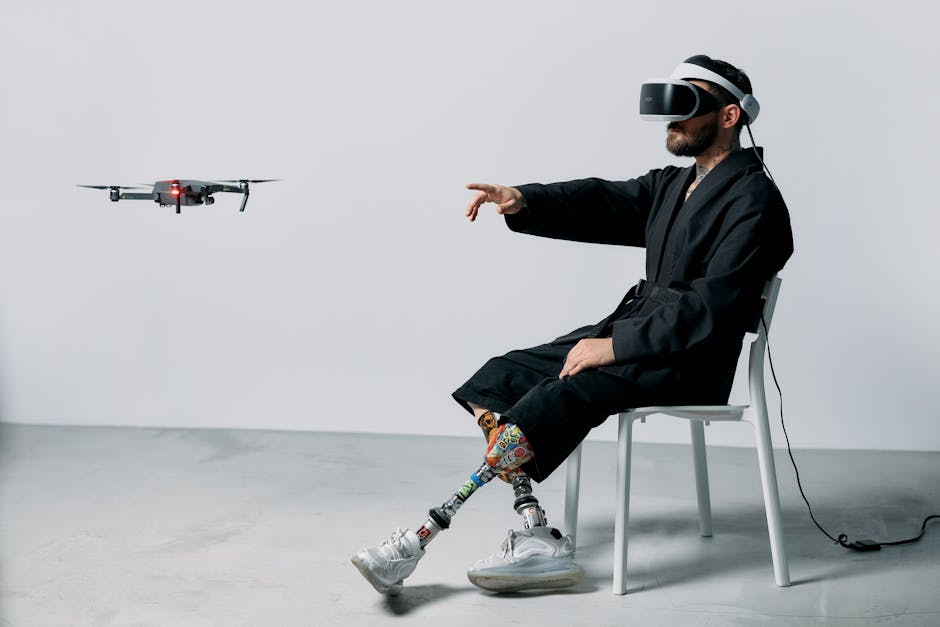
The Rise of Quadcopters
The popularity of quadcopters has surged in recent years, thanks to advancements in technology that have made them more accessible and affordable. These unmanned aerial vehicles (UAVs) are equipped with high-definition cameras, allowing users to capture breathtaking footage from unique perspectives. Whether used for professional purposes or recreational activities, quadcopters have opened up new avenues for creativity and exploration.
Understanding Privacy in Aerial Filming
As quadcopters take to the skies, concerns about privacy have emerged. The ability to capture images and videos from above can lead to unintentional invasions of privacy, particularly when filming over private property. It is crucial to understand the legal framework surrounding privacy rules for filming to avoid potential legal repercussions.
Federal Regulations
In the United States, the Federal Aviation Administration (FAA) regulates the use of drones, including quadcopters. While the FAA primarily focuses on airspace safety and operational guidelines, it does not specifically address privacy concerns. However, operators must comply with federal regulations that govern drone usage, such as obtaining necessary permits and adhering to altitude restrictions.

State and Local Laws
In addition to federal regulations, state and local laws play a significant role in determining privacy rules for filming with quadcopters. Many states have enacted laws that specifically address aerial surveillance and privacy concerns. For example, some states prohibit the use of drones for capturing images or videos of individuals in private settings without their consent. These laws vary widely, so it is essential to research the specific regulations in your state or locality.
Key Privacy Considerations
When operating a quadcopter for filming purposes, several key privacy considerations should guide your actions:
- Consent: Always seek permission before filming individuals on private property. This includes residential areas, backyards, and any location where individuals have a reasonable expectation of privacy.
- Public Spaces: While filming in public spaces is generally permissible, be mindful of how your footage may affect the privacy of individuals nearby. Avoid capturing identifiable images of people without their consent.
- Commercial Use: If you plan to use aerial footage for commercial purposes, additional regulations may apply. Ensure that you comply with any licensing or permission requirements.
- Data Protection: If your quadcopter captures personal data, such as license plates or faces, be aware of data protection laws that may apply to the storage and use of that information.
Legal Cases and Precedents
Several legal cases have shaped the landscape of drone privacy laws. Understanding these cases can provide valuable insights into how courts interpret privacy rights in relation to aerial filming.
California’s Drone Law
In 2012, California passed a law that prohibits the use of drones to capture images of individuals on private property without their consent. This law reflects the growing concern over privacy violations associated with drone technology. Courts have upheld this law, emphasizing the importance of respecting individuals’ privacy rights.
The Case of the Nuisance Drone
A notable case involved a homeowner who used a drone to film his neighbor’s property. The neighbor filed a lawsuit, claiming that the drone constituted a nuisance. The court ruled in favor of the neighbor, highlighting that the use of drones for filming can lead to invasions of privacy, particularly when done without consent.

Federal Aviation Administration v. Cummings
In a landmark case, the FAA issued a fine to a drone operator for flying too close to a stadium during a sporting event. The operator argued that the FAA’s regulations infringed on his First Amendment rights. The court ruled that while the FAA has authority over airspace, privacy rights must also be considered when determining the legality of drone operations.
Best Practices for Quadcopters and Privacy
To navigate the complex legal landscape surrounding quadcopters and privacy, operators should adopt best practices that prioritize respect for individuals’ rights. Here are some recommendations:
- Educate Yourself: Stay informed about federal, state, and local regulations regarding drone use. This knowledge will help you operate your quadcopter responsibly.
- Seek Permission: Always ask for consent before filming individuals or private property. This practice fosters goodwill and minimizes the risk of legal disputes.
- Be Respectful: When flying in public spaces, be considerate of those around you. Avoid capturing footage that may infringe on others’ privacy.
- Limit Data Collection: If your quadcopter captures sensitive information, such as faces or license plates, take steps to limit the collection and storage of that data.
Understanding the Role of Technology
As technology continues to evolve, so too do the capabilities of quadcopters. Features such as facial recognition and advanced tracking systems raise new privacy concerns. While these technologies can enhance aerial filming, they also pose challenges in terms of compliance with privacy laws.
Facial Recognition Technology
Some quadcopters are equipped with facial recognition technology, enabling operators to identify individuals from the air. While this feature can be useful for certain applications, it raises significant privacy concerns. The use of facial recognition in public spaces may lead to unauthorized surveillance and tracking of individuals without their knowledge or consent.
Data Security and Storage
Operators must also consider how they store and manage the data collected by their quadcopters. Implementing robust data security measures is essential to protect sensitive information from unauthorized access. Additionally, operators should be aware of data retention policies and comply with any legal requirements related to data storage.
Public Perception and Awareness
As quadcopters become more common, public perception of aerial filming is evolving. Many people appreciate the artistic and commercial value of aerial footage, while others express concerns about privacy invasions. Operators should be mindful of these differing viewpoints and strive to foster positive relationships with the communities in which they operate.
Community Engagement
Engaging with the community can help build trust and understanding around quadcopter use. Consider hosting informational sessions or workshops to educate the public about the benefits of aerial filming and the measures you take to protect their privacy. Open communication can alleviate concerns and promote a collaborative environment.
Transparency in Operations
Being transparent about your quadcopter operations can also enhance public trust. Clearly communicate your intentions when filming and provide information about how you handle data. This transparency can help dispel fears and encourage a more positive perception of aerial filming.
Resources for Quadcopters and Privacy
For those interested in learning more about quadcopters and privacy rules for filming, several resources are available:
- Federal Aviation Administration (FAA): The FAA’s official website provides information on regulations and guidelines for drone operations.
- Drone Lawyer: A legal resource dedicated to drone law, offering insights and legal advice for drone operators.
- Privacy Rights Clearinghouse: An organization focused on privacy rights, providing information on laws and best practices related to privacy.
Frequently Asked Questions (FAQs)
Is it legal to film with a drone over someone’s private property?
Not without permission. While federal airspace begins above the ground, most states recognize an individual’s right to privacy on their property. Flying too low or filming without consent can lead to privacy invasion claims or nuisance lawsuits.
What are the federal rules about drone privacy?
The FAA primarily governs airspace safety, not privacy. However, drone pilots must follow Part 107 rules and are encouraged to respect privacy under FAA’s Voluntary Best Practices for UAS Privacy guidelines.
Do states have different drone privacy laws?
Yes. State laws vary widely. For example:
- California prohibits using drones to capture images or recordings of people in private settings without consent.
- Texas restricts drone surveillance over critical infrastructure and private property.
Always check local and state regulations before flying.
Can I record in public areas with my quadcopter?
Generally, yes. In public spaces, there’s no reasonable expectation of privacy. However, you still must follow FAA flight rules, avoid flying over crowds, and comply with city ordinances or park restrictions.
What is the “nuisance drone” legal precedent?
This refers to cases where drones fly repeatedly over private property, causing disturbance. Courts have ruled this can constitute private nuisance, and property owners may seek legal action or damages.
How does facial recognition impact drone privacy concerns?
Drones with facial recognition software raise serious privacy concerns, especially if images are captured without consent or stored insecurely. Such use may violate biometric privacy laws in some states.
Can homeowners legally shoot down drones?
No. Under federal law, drones are considered aircraft, and shooting one down is a federal crime. The correct legal response is to report violations to local law enforcement or the FAA.
Do I need consent to film with a drone for commercial use?
Yes, especially when filming people or private property. For commercial drone operations, obtaining written consent and location releases is highly recommended to avoid legal disputes.
How can drone pilots protect themselves legally?
Get Part 107 certification, check state privacy laws, obtain insurance, use geofencing tools to avoid restricted zones, and keep flight logs and consent forms.
Are there tools or apps to help me stay compliant?
Yes. Apps like B4UFLY, AirMap, and Kittyhawk provide real-time information about airspace restrictions, local laws, and privacy zones. They’re essential tools for responsible drone operators.
Conclusion
As quadcopters continue to change the landscape of aerial filming, understanding the legal rules surrounding privacy is crucial for operators and the public alike. By staying informed about federal, state, and local regulations, seeking consent, and adopting best practices, you can navigate the complexities of aerial filming while respecting individuals’ privacy rights. In this evolving technological landscape, fostering positive relationships with the communities in which you operate will contribute to a more harmonious coexistence between innovation and privacy.
For more insights on quadcopters and privacy, you can watch this informative video:


