

Quadcopter Flying Rules: No-Fly Zones and Airspace Types You Must Know
Flying a quadcopter can be an exhilarating experience, offering unique perspectives and the thrill of piloting your own aircraft. However, as with any aviation activity, there are rules and regulations that govern where and how you can fly. Understanding No-Fly Zones and Airspace Types is crucial for both safety and legality. In this article, we will explore these important concepts, ensuring you have the knowledge to fly responsibly and enjoyably.
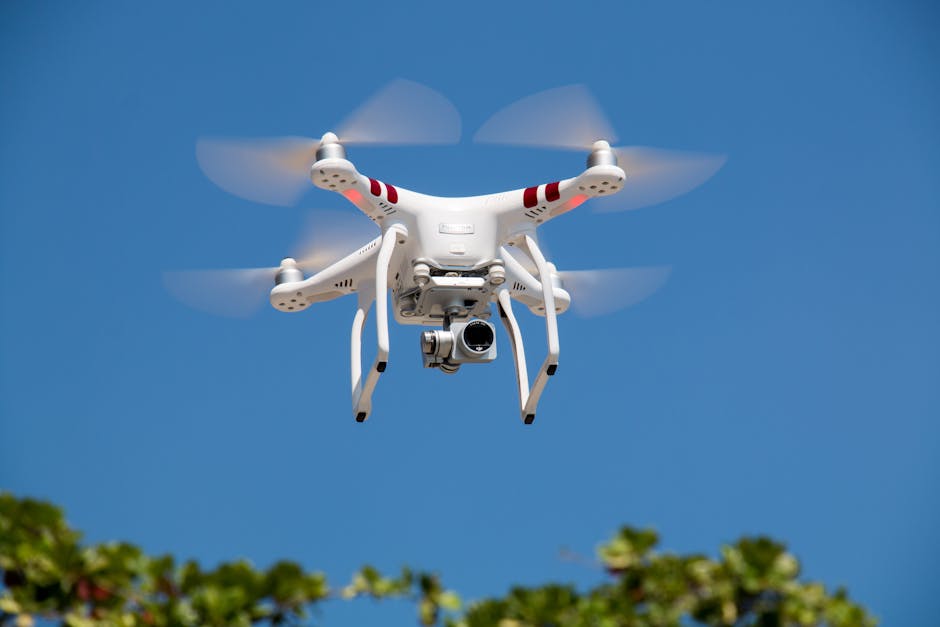
Understanding No-Fly Zones
No-Fly Zones are specific areas where flying is prohibited or restricted. These zones are established for various reasons, including safety, privacy, and security. It is essential for quadcopter pilots to be aware of these areas to avoid legal issues and ensure the safety of others.
Types of No-Fly Zones
No-Fly Zones can be categorized into several types, each with its own rules and regulations:
1. Government and Military Areas
Many government and military installations have designated No-Fly Zones to protect national security. These areas often include military bases, nuclear power plants, and government buildings. Flying a quadcopter in these zones can lead to serious legal consequences.
2. Airports and Helipads
Airports and helipads are critical infrastructure that require specific airspace management. Generally, a No-Fly Zone exists within a certain radius around these facilities to prevent interference with manned aircraft. Pilots should always check for any specific regulations or restrictions when flying near these areas.

3. National Parks and Wildlife Refuges
Many national parks and wildlife refuges prohibit drone flights to protect wildlife and preserve the natural environment. These regulations help minimize disturbances to animals and ensure that visitors can enjoy the tranquility of nature without the noise of quadcopters.
4. Urban Areas
Flying over populated urban areas can pose risks to public safety. Some cities have enacted local ordinances that restrict or prohibit drone flights in certain neighborhoods or public spaces. It is essential to research local laws before flying in urban environments.
How to Identify No-Fly Zones
Identifying No-Fly Zones is easier than ever with the help of technology. Here are some effective ways to stay informed:
- Mobile Apps: There are several apps available that provide real-time information about No-Fly Zones. These apps often include maps and alerts to help you plan your flights safely.
- Online Resources: Websites like the FAA’s B4UFLY provide comprehensive information about airspace restrictions and No-Fly Zones. Always refer to official sources for the most accurate data.
- Local Regulations: Be sure to check local laws and regulations, as they can vary significantly from one area to another. This may include contacting local authorities for specific guidelines.
Understanding Airspace Types
In addition to No-Fly Zones, knowing the different types of airspace is vital for quadcopter pilots. Airspace types dictate where and how you can fly your drone, and they vary in terms of restrictions and requirements.
Categories of Airspace
The airspace is generally classified into several categories, each with its own rules:
1. Class A Airspace
Class A airspace is typically found at higher altitudes, starting at 18,000 feet above sea level. This airspace is reserved for commercial flights and requires pilots to have an instrument rating. Quadcopter pilots should avoid flying in Class A airspace unless they have the necessary permissions and qualifications.
2. Class B Airspace
Class B airspace surrounds major airports and extends from the surface up to 10,000 feet. This airspace requires pilots to obtain clearance from air traffic control before flying. Quadcopter pilots should be cautious and avoid flying in Class B airspace unless they have specific authorization.
3. Class C Airspace
Class C airspace is typically found around smaller airports and extends from the surface to 4,000 feet. Pilots are required to establish communication with air traffic control before entering this airspace. While it is not as restrictive as Class B, quadcopter pilots should still exercise caution and follow all regulations.
4. Class D Airspace
Class D airspace surrounds airports with an operational control tower. It extends from the surface to 2,500 feet. Pilots must communicate with air traffic control before entering this airspace, and quadcopter pilots should be aware of any specific local regulations.
5. Class E Airspace
Class E airspace is generally less restrictive and can be found at various altitudes. It typically extends from 1,200 feet above ground level up to 18,000 feet. While there are fewer regulations in Class E airspace, quadcopter pilots should still be aware of their surroundings and any potential hazards.
6. Class G Airspace
Class G airspace is uncontrolled airspace, meaning there is no air traffic control present. This airspace extends from the surface up to 1,200 feet. Quadcopter pilots can generally fly in Class G airspace without restrictions, but they should always maintain visual line-of-sight and be mindful of other aircraft.
Additional Considerations for Airspace
In addition to understanding the different classes of airspace, there are other important considerations for quadcopter pilots:
- Temporary Flight Restrictions (TFRs): TFRs may be issued for various reasons, such as special events or emergencies. Always check for TFRs before flying, as they can change frequently.
- Altitude Limits: Many areas have altitude restrictions for drone flights, often capping flights at 400 feet above ground level. Familiarize yourself with these limits to avoid potential violations.
- Weather Conditions: Weather can significantly impact your flying experience. Always check the weather forecast and avoid flying in adverse conditions.
Best Practices for Quadcopter Pilots
To ensure a safe and enjoyable flying experience, quadcopter pilots should follow these best practices:
1. Stay Informed
Regularly check for updates on No-Fly Zones and airspace regulations. This includes reviewing local laws, FAA guidelines, and any changes to airspace classifications.
2. Use Technology
Leverage mobile apps and online resources to stay updated on airspace restrictions. Many apps provide real-time alerts and maps to help you navigate safely.
3. Plan Your Flights
Before each flight, plan your route carefully. Ensure you are aware of any No-Fly Zones or airspace restrictions along your path. This proactive approach can help you avoid potential legal issues.
4. Maintain Visual Line-of-Sight
Always keep your quadcopter within visual line-of-sight during flights. This practice not only helps you maintain control but also allows you to avoid other aircraft and obstacles.
5. Respect Privacy
Be mindful of people’s privacy when flying your quadcopter. Avoid flying over private property without permission, and respect individuals’ rights to privacy.
6. Educate Yourself
Take the time to educate yourself about drone regulations and best practices. Consider taking a course or attending workshops to enhance your knowledge and skills.
Frequently Asked Questions (FAQs)
1. What exactly are no-fly zones?
No-fly zones are specific areas where flying a quadcopter is restricted or completely prohibited for safety and security reasons. These include places like airports, military bases, and some national parks.
2. How do I find out if I’m near a no-fly zone?
You can use apps and websites designed for drone pilots that show real-time maps of restricted areas. The FAA’s official drone map is also a great resource.
3. What are the main types of no-fly zones I should avoid?
Common no-fly zones include government and military areas, airports and helipads, national parks, wildlife refuges, and densely populated urban areas.
4. What are the different airspace classes, and why do they matter?
Airspace is divided into classes (A through G) that determine who can fly there and under what conditions. For example, Class B airspace is busy around big airports and usually off-limits for drones without special permission.
5. Can I fly my quadcopter anywhere outside no-fly zones?
Mostly yes, but you still need to follow local laws, keep your drone within sight, and avoid flying over people or private property without permission.
6. What is “maintaining visual line-of-sight,” and why is it important?
It means you should always be able to see your drone without using binoculars or cameras. This helps you avoid obstacles and stay in control.
7. Are there any tools that help me stay safe and legal when flying?
Yes, many drone pilots use GPS-based apps that alert them about no-fly zones and airspace restrictions before they take off.
8. What should I do if I accidentally fly into restricted airspace?
If you realize it quickly, safely bring your drone back to a legal flying area. Repeated violations can result in fines or penalties.
9. How can I stay updated on airspace rules and regulations?
Regularly check the FAA website and join drone pilot groups online. Rules can change, so staying informed is key.
10. Why is respecting privacy important when flying a drone?
Flying responsibly means not invading others’ privacy by avoiding flying over private property or capturing images without permission.
Conclusion
Understanding No-Fly Zones and airspace types is essential for any quadcopter pilot. By familiarizing yourself with these regulations and following best practices, you can enjoy the thrill of flying while ensuring the safety of yourself and others. Always stay informed, plan your flights carefully, and respect the rules that govern our skies. Happy flying.


